On a cozy autumn morning, I enjoyed a teenager named Rowan stand at eviction, arms folded up, chin set like granite. The bay mare on the other side cocked an ear, then left with a swish of her tail. Rowan took a look at me and claimed, half kidding, half bristling, She hates me. We did not mount up or resolve anything best after that. Rather, Rowan stepped into the sand, breathed out once, and researched the mare's rhythm. 10 quiet mins later on, with slower feet and an open position, Rowan raised a hand. The mare turned. The two strolled side-by-side, both heads degree. No magical revelation, just a basic minute of contact. For Rowan, it was the first sincere yes she had felt in weeks.
That tiny yes is the heart of equine-assisted training. Not methods, not prominence, not flattery. Horses satisfy individuals at the degree of visibility. When the horse approves you at that degree, it comes to be simpler to approve yourself.
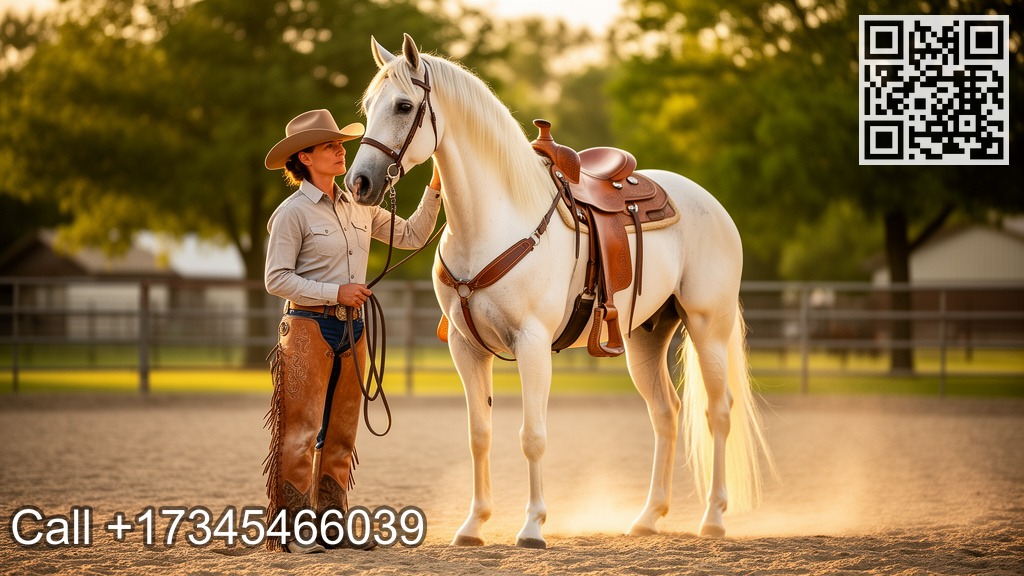
What steeds show long before you get a lead rope
Horses are prey pets, tuned to read objective. They notice where your eyes land, how your breath increases, whether your feet fulfill the ground with effect or care. In a herd, safety depends on harmony. A relaxed body with agitated eyes means risk. So does an intense smile pasted over a tight jaw. That is why steeds can be ruthless, not in dimension or pressure, however in integrity to what is true.
In the arena, this plays out in instant, personified comments. If you ask in a scattered means, the steed drifts. If you hold your breath and try to look positive, the horse hesitates or pins an ear. When you settle your shoulders, soften your knees, and think your own boundary, the steed steps in, often with a sigh. For people whose self-worth has been shaped by blended messages, objection, or trauma, this clear mirror is a relief. You do not need the excellent words or a remarkable history. You require consistency between within and outdoors. Horses reveal you when you have it, and when you do not, without judgment.
This is where equine-facilitated wellness varies from motivational posters or quick-fix advice. It is not theoretical. The learning occurs in your nerve system, not just in your head. You really feel the shift, the yes, and your body remembers.
Coaching, therapy, and the spectrum of equine-assisted services
People frequently ask how equine-assisted training lines up with psychiatric therapy, therapeutic horsemanship, and other equine-assisted tasks. The short variation: it resides in the coaching lane, which focuses on objectives, forward motion, and abilities transfer, while drawing on the equine's visibility as a co-facilitator. It is not trauma handling. It is not clinical medical diagnosis or medical therapy. In many programs, a certified instructor companions with an equine professional to develop safe, on-the-ground exercises. Some facilities also use licensed psychological wellness services, or healing riding for motor and balance objectives. Those fall under the larger umbrella of equine-assisted services.
The differences matter because excellent boundaries build trust. A customer recuperating from severe injury could function first with a therapist who makes use of equine-facilitated training abilities within a professional container. A company group might reserve a solitary day of team structure with equines to practice interaction. A parent could try to find ADHD equine discovering support to help a child trying out attention in a low-verbal, movement-rich setting. The equine exists across these offerings, yet the intention, training, and security protocols differ.
Self-esteem is not a pep talk, it is pattern recognition
Confidence is usually framed as a mindset you can choose. In technique, it shows up as a pattern of successes your body depends on. That is why equine-assisted training aims for repeated, manageable victories. Can you approach a gelding in a round pen with a clear strategy and change when he snaps an ear? Can you establish a border with a pushy mare without surging right into rage or shrinking right into appeasement? Each time you act congruently and see the steed respond, you lay a brick in the foundation of self-esteem. Over 8 to twelve sessions, customers report even more ease speaking out in conferences, smoother shifts at home, and much less fear in circumstances that made use of to really feel overwhelming.
I keep a beat-up notebook with easy measures. Customers rank their capability to request for aid, claim no, endure silence, and manage responses. We score these on a 1 to 10 range at the beginning, mid-point, and end. We likewise take down body markers, like how promptly someone's breath reduces after a shock, or whether their hands shiver when first getting in the herd. These are not lab-grade measures, yet they provide texture. One client moved her self-advocacy rating from 3 to 7 across 9 weeks. The horse she preferred went from crowding her space to matching her rate at a constant arm's size. She later told me she negotiated her work with her manager without a migraine for the very first time in two years.
Inside a session: a silent choreography
Sessions normally run 60 to 90 minutes, and nearly all of the job is unmounted. We remain at the horse's level, due to the fact that the goal is recognition, not horsemanship medals. An usual arc consists of a grounding check-in, safety testimonial, a brief workout with a pleasant equine, after that 1 or 2 jobs that call for a stretch. Completion consists of reflection that links field learning to day-to-day life.
Here is a simple session flow that functions well for constructing self-worth:
Arrival and nerve system check: notification breath, stance, and what feels supported or open. Safety briefing and consent: review the steed's signals and agree on clear stop language. Meet and greet: halter off, hang back, observe. Then strategy with specified intention. Task: as an example, leading free through a pattern that calls for turns, stops, and restarts. Debrief: harvest a concrete takeaway and a little activity to test during the week.Even within this framework, no two days look the very same. A client could start with a strategy to exercise limit setup, just to encounter sorrow when a gelding brushes her shoulder and advises her of a long-dead pony from youth. We reduce, note the sensation, and come back to the job without forcing. Another client might feel squashed by anxiety at eviction, so we step outside the sector and do the job over the fencing, sending and attracting with absolutely nothing greater than stance and breath. I have yet to see somebody discover less because we shortened the range or reduced the ask. The body discovers when it is ready.
The duty of somatic understanding, and why steeds help
Somatic healing with horses is not about catharsis. It is about titration. The steed, with a 1,000-pound nervous system, naturally manages around constant stimulations. When you soften your jaw and let your eyes defocus, many equines will mirror that. Their lick and eat, their reduced head, can entrain your system right into a steadier rhythm. This is not magic, it is co-regulation. The technique is to utilize it responsibly.
We start with little somatic check-ins. Where do you really feel strong? Where do you really feel hollow? Can you stand with soft knees and infuse your back ribs? Now, request a single step forward from the steed. Then quit. Call what adjustments inside you when the horse responds. Many clients find that the minute of asking, not the motion itself, sends their heart price up. That hint comes to be an abundant location to exercise. With time, the body learns that asking does not equivalent risk. That change can transform just how commonly you volunteer a point of view, ask for clearness, or establish a restriction outside the arena.
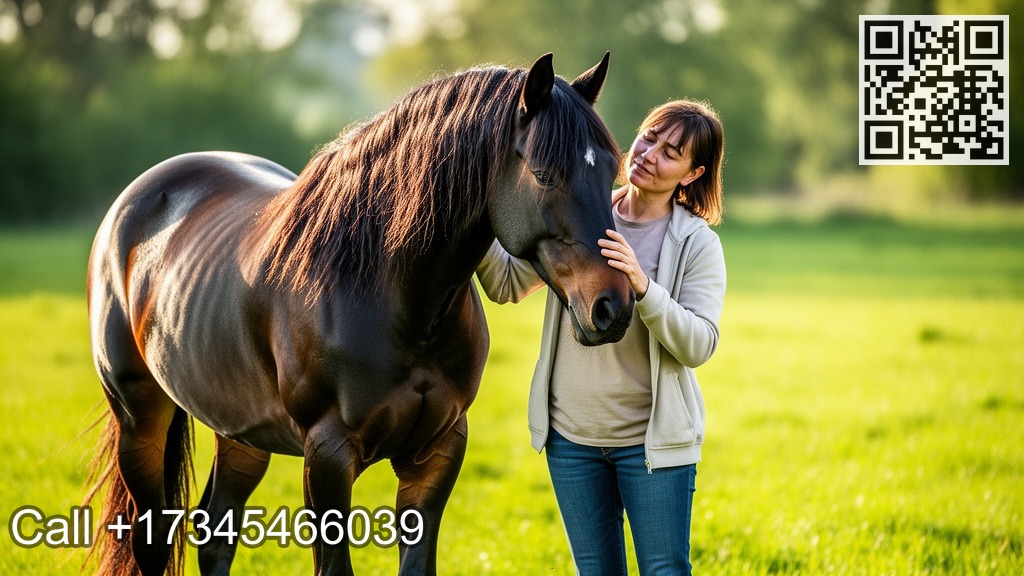
Working with anxiousness, ADHD, and sensory profiles
Equine-assisted coaching has a tendency to attract individuals that believe and feel intensely. For anxiousness support with steeds, we create jobs that stabilize uncertainty without swamping the system. A common relocation is to deal with a pattern that has clear sides, like a figure-eight of cones, and after that include an option point. Will you transform very early or late? The steed checks out the moment you decide, which helps customers catch the second they are reluctant or overcontrol. Breathing is not homework, it comes to be a device connected to an end result you can see. Breathe tight, and the equine wanders. Breathe easy, and the steed steadies.
For customers seeking ADHD equine learning assistance, the arena comes to be a kind instructor. Equines do not punish fidgets, but they reply to clarity. We reduce instructions, lock phones in the tack space, and set time boxes gauged in laps instead of mins. The job might be this: lead at a stable stroll for two laps, after that stop and scrape at the withers for 3 breaths. After that transform direction. That alternation of emphasis and rest fits lots of ADHD nerve systems. If focus wanders and the horse quits complying with, responses is instant and non-shaming. We also invite motion during reflection. Pacing along the rail while chatting often produces even more insight than resting on a bench.
For people checking out an autism equine discovering program, the https://louisisla966.capitaljays.com/posts/autism-friendly-trails-an-equine-learning-program-that-welcomes-all sensory globe of the barn matters. Hay dust, unequal ground, sun flashes off buckets, all of it can flood or calm. We prepare visits throughout peaceful hours, dim barn lights when feasible, and offer clear, visual series. Some customers favor deep pressure from grooming or the rhythm of pressing a wheelbarrow. Spoken handling may be very little. Permission comes to be an exercise with the steed's body. May I comb your shoulder? The steed solutions with a lean-in or a change away. That back-and-forth shows timing, restrictions, and common respect without social scripts that can feel weak or confusing.
Many households arrive requesting an alternative treatment for sensory difficulties. Training is not treatment, and we say that aloud. Still, structured, experiential understanding with equines can be a solid complement. I have seen kids who have a hard time to tolerate congested classrooms discover convenience naming what they observe in a field, due to the fact that absolutely nothing there requires eye contact or repaired position. I have enjoyed adults that dread health clubs uncover stamina by dragging a heavy floor covering across sand, laughing when an interested gelding includes resistance by tipping on the edge.
Stories from the rail: small victories that stick
A software application job supervisor in her forties can not quit apologizing. She said sorry to the horse, to the wind, to eviction. We negotiated that she might ask forgiveness as high as she suched as, yet just after she made a details ask. In week 2, she faced a steady mare and stated, Please walk with me at my shoulder. The mare complied with. She started to say sorry and after that, hands on lead, giggled. She did not say sorry once more for the rest of the session. Three weeks later, she ran a meeting without claiming sorry when. She put the number on a sticky note to advise herself. Zero.
A high school wrestler with a difficult outside wanted to move quicker, constantly. The gelding he dealt with had one rate: sluggish. During a pattern of cones, the wrestler kept pushing and the horse maintained quiting. We attempted a different tack. Suit his rate initially. Then see if he will certainly match yours. The client took a breath out, matched, and a minute later both relocated efficiently together. When asked what transformed, he stated, I stopped attempting to drag him where I wanted to be and started strolling where we were. He carried that sentence right into practice, after that into a conversation with his father. That is transfer.
A tiny not-for-profit came for team structure with horses after a harsh year. They had lost a give, taken on extra work, and misfired on interaction. In the sector, their job was to relocate three equines from one end to the various other without halters or touching the animals. Voices increased, people split, and the horses stayed. We stopped briefly. One staffer, more recent and silent, provided to work with. The group agreed. She stalled at the center, established clear roles, and the steeds streamed like water. Back at the workplace, they reorganized meeting facilitation to share authority and developed a simple run of show. Six weeks later on, the director emailed to state their check-ins were much shorter and kinder, and their program metrics were back in range.
How this job differs from riding lessons and why that matters
Therapeutic horsemanship, occasionally called adaptive riding, focuses on riding abilities and may deal with physical equilibrium, electric motor planning, and self-confidence in the saddle. Lessons have framework and commonly finish in independent riding. Equine-assisted training, by contrast, keeps both feet on the ground. The skill is relational presence, not posting trot. There is overlap, naturally. Both need clear asks and mutual depend on. But I have seen qualified bikers miss the subtler hints that coaching calls out, just as I have seen total beginners discover deep solidity within a very first session.
Mounted job can be part of a coaching strategy in some programs, specifically when rhythm and equilibrium support a client's objectives. If we ride, it is usually bareback with a pad or at a stroll in an easy field to increase comments. If a person's identity is involved technical riding skill, we may skip tack entirely to meet the work on fresh ground.
Risks, limits, and what we do when things go sideways
Arenas are not laboratories. Horses have histories and moods. Individuals do also. Occasionally, a tactical job deciphers. The gelding that is generally unflappable resents at a brand-new hat. A customer who rarely speaks ruptureds into splits when a mare infuses her hand. Safety and security and permission assist the reaction. We slow or quit. We exchange horses. We step outside the rail and function the strategy from a distance. If the material edges right into clinical region, we refer or co-treat with a mental health and wellness professional. That border secures the client and the horse.
Not every customer thrives in this setting. Some favor spoken handling much from dirt and animals. Some locate animal unpredictability excruciating. That is fine. Coaching ought to fit the individual, not the other way around. I make area for hesitation. The only individuals I delicately steer in other places are those that want quick results without technique, or that get here set on dominating a steed to confirm something. The job requests humbleness and humor. If you can not poke fun at a steed overlooking you, the sector will be a difficult teacher.
Measuring change you can feel and defend
Anecdotes issue, however I also like concrete pens. We use short pre and post inventories on self-efficacy, communication convenience, and stress and anxiety. We track session-by-session objectives met and note physical cues like breath recovery time after startle. For business teams, we collect 30- and 90-day feedback on conference flow, problem resolution time, and staff turn over danger. Many teams come along on 2 or three of those metrics. Not every dataset is clean. Climate terminates a session, a favored steed gets sore, or a customer's life throws a curveball. Still, over loads of associates, trends hold: more in agreement communication, much better boundary quality, enhanced tolerance for uncertainty.
Choosing a program and establishing on your own up for a solid very first day
The field of equine-facilitated coaching has developed, however high quality varies. Qualifications help, though they are not the only pen of wisdom. A strong program will certainly be clear, slow to pledge, and quick to safeguard.
Consider these 5 factors when you look for a supplier:
- Training and extent: Ask about training qualifications, equine handling experience, and just how they differentiate coaching from treatment or healing riding. Safety and well-being: Look for safety helmets on website, clear emergency plans, soft ground, and interest to steed well-being, consisting of rest days and herd life. Consent and pacing: Notice whether they ask for your consent, read your comfort degree, and adjust plans without dramatization when you or the equine state no. Transfer to daily life: Ask exactly how they link sector experiences to concrete activities you can attempt in your home or job in between sessions. Fit and gain access to: Clarify price, session size, seasonal routines, and holiday accommodations for sensory preferences or movement needs.
An excellent intake sets tone. We will inquire about your objectives, causes, allergic reactions, and prior horse experience. We will likewise speak about clothes. Closed-toe footwear with walk, layers you can drop, and sunglasses if glare bothers you. Bring water. Leave your watch and phone in the tack area unless we are timing jobs for a reason. Expect the initial session to really feel slower than your calendar likes. That is by design.
Cost, accessibility, and innovative methods to participate
Prices vary by area and qualifications. Private mentoring sessions in my location run roughly 90 to 175 dollars for 60 to 90 minutes, with discount rates for plans. Group team building with horses for organizations can range from 1,500 to 6,000 bucks each day depending upon group dimension and assistance deepness. Some facilities offer sliding range spots or scholarship funds under the more comprehensive banner of equine-assisted tasks or equine-assisted solutions. Community universities and young people programs occasionally companion with barns for lower-cost experiential knowing with equines. If expense is a barrier, ask about monitoring days, volunteer changes that include training, or much shorter seasonal collection. I have actually seen clients do well with a six-week sprint in spring or loss, after that return for booster sessions after big life events.
What the horse asks of us
We talk a lot regarding what horses can do for individuals. The various other fifty percent of the formula is what individuals owe the equine. Compassion, patience, and clear asks. Regular farrier care, excellent hay, time in a herd, and enough area to relocate. Steeds give feedback truthfully and without grudge. It is on us to keep the job reasonable and to end sessions before anybody, human or equine, is fried. I have reduced sessions brief at 35 minutes because the wind rattled the tin roof covering and both varieties were edgy. No development worth having rest on pressing the last drop from a day like that.
A note on language and expectations
The area abounds terms. Some programs state equine-assisted mentoring. Others favor equine-facilitated coaching. Some plan the work as equine-facilitated health. What matters greater than the tag is the experience inside the rail and what modifications after you leave it. If a program counts greatly on mystique or insists that the equine always understands your inmost fact, be careful. Equines review bodies. They do not read minds. That, to me, is sufficient. The honesty of your breath is a huge point to meet.
When a steed says yes, and you do too
Back to Rowan, the teenager at the gate. In week four, we set a little difficulty. Lead the bay mare free with a triangular of poles, then quit with both feet inside the form and rest together. The very first effort abated. Rowan obtained aggravated and the mare started munching at a cone. We stopped. What would certainly be good enough? Rowan claimed, If we make it through, also careless, and I can breathe when. They tried once again. Halfway through, the mare stopped. Rowan softened her knees, taken a breath, and waited. The mare actioned in. As they quit, both decreased their heads almost in sync. Rowan looked up, eyes brilliant, and said, That felt like me showing up.
That felt like me. Not I dominated, not I carried out. I appeared. If there is a cleaner meaning of self-worth, I have actually not discovered it. Equines, constant in their very own skins, welcome us into that feeling. We do not need to earn it with success or win it with the sharpest words. We exercise it detailed, breath by breath, up until one day we find ourselves in the center of 3 poles, standing next to a friend with a tail, and realize we belong there.
If you are curious, discover a barn that places partnership first. Ask questions. Go slowly. Stand at the fencing and watch for a while. If an equine snaps an ear and turns towards you, consider it an invitation to fulfill yourself a lot more totally. The rest we will certainly find out together, one silent yes at a time.